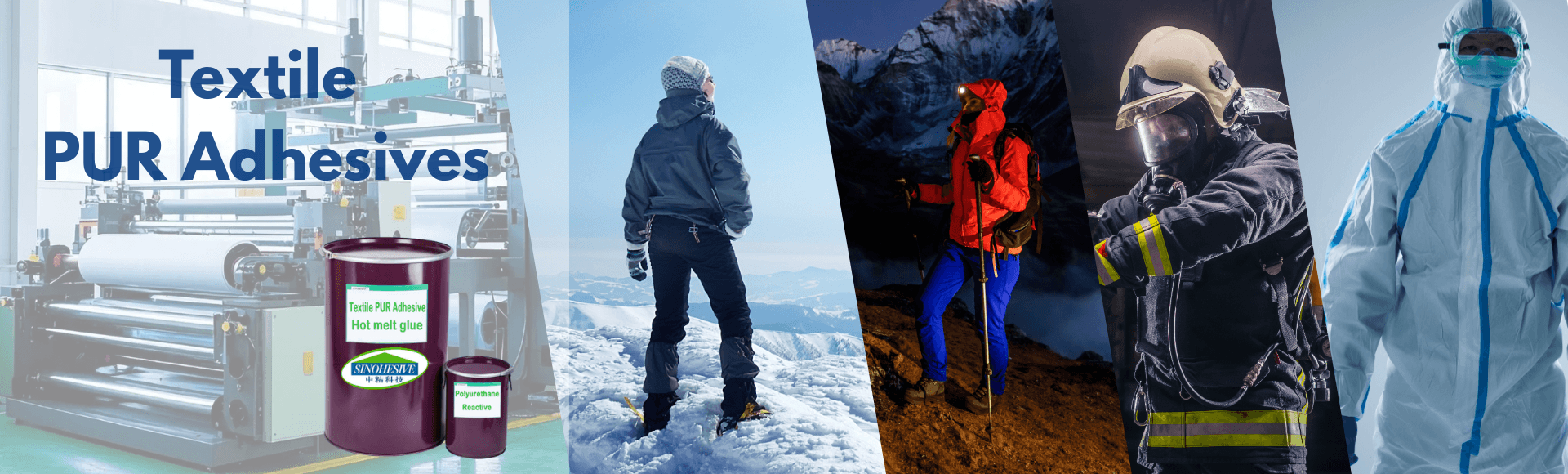
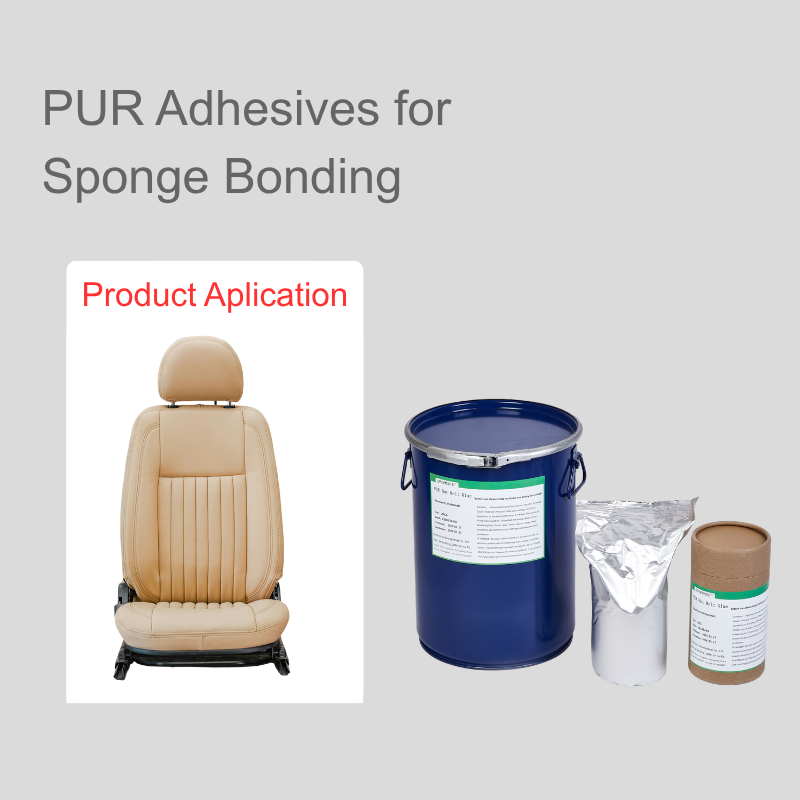
The Advantages of Our PUR Hot Melt Adhesive for Sponge Bonding
1. High Initial Tack for Stable Lamination
Our PUR hot melt adhesive provides high initial tack to hold foam and facing materials firmly in place immediately after application. It helps reduce material shifting, edge lifting, wrinkling, and delamination during sponge and fabric lamination processes.
2. Strong and Durable Bonding
After moisture curing, the adhesive forms a durable cross-linked bond between sponge, textile fabrics, nonwovens, artificial leather, and other flexible substrates. It is suitable for applications requiring reliable long-term bonding strength.
3. Soft and Flexible Bond Line
Designed for flexible composite materials, PUR adhesive can maintain a soft and flexible bonding layer after curing. This helps preserve the comfort, cushioning performance, and natural hand feel of foam-laminated products.
4. Helps Prevent Wrinkling and Delamination
Stable initial adhesion helps keep foam and fabric layers aligned during production. This reduces the risk of wrinkles, uneven lamination, material movement, and separation before the adhesive reaches its final curing strength.
5. Resistance for Demanding End Uses
Selected PUR adhesive grades can provide resistance to washing, dry cleaning, heat, humidity, and aging. They are suitable for sponge bonding applications in textiles, home furnishings, upholstery, and automotive interiors.
6. Solvent-Free and Cleaner Processing
PUR hot melt adhesive is a 100% solids adhesive system that does not require solvent evaporation during application. It supports cleaner production and can help manufacturers meet the material and environmental requirements of different end markets.

Key Process Description
1. Controlled Heating and Melting
The PUR adhesive is heated in a suitable PUR melter to reach the recommended application temperature. Proper temperature control helps achieve stable viscosity, uniform coating, and consistent bonding performance during foam lamination.
2. Roller, Slot-Die, or Spray Application
The adhesive can be applied by roller coating, slot-die coating, spray coating, or other suitable industrial application systems. The appropriate application method depends on foam density, fabric type, coating weight, line speed, and finished-product requirements.
3. Foam and Fabric Lamination
The foam and facing material are combined under controlled pressure after adhesive application. Appropriate nip pressure and line speed help ensure sufficient wet-out and stable initial bonding without excessive compression or distortion of the foam.
4. Moisture-Curing Action
After lamination, the adhesive reacts with moisture in the air and substrates to form a durable cross-linked structure. Final curing time may vary according to ambient humidity, substrate type, adhesive coating weight, and production conditions.
Typical Sponge Bonding Applications
Underwear and Intimate Apparel
Suitable for laminating foam with fabrics used in bras, molded cups, shapewear, and other intimate apparel components where softness, flexibility, and wash resistance are important.
Home Textiles and Upholstery
Used for foam-backed fabrics, upholstered materials, mattress components, cushions, and other home textile applications that require a stable and durable bond.
Casual Textiles and Composite Fabrics
Suitable for laminating sponge with woven fabrics, knitted fabrics, nonwovens, and heavy textiles used in garments, bags, protective products, and functional textile composites.
Automotive Interior Materials
Can be used for selected automotive interior applications, including foam-backed fabrics, seat materials, headliners, and interior trim components. Material compatibility and performance testing are recommended before mass production.
Packing Details
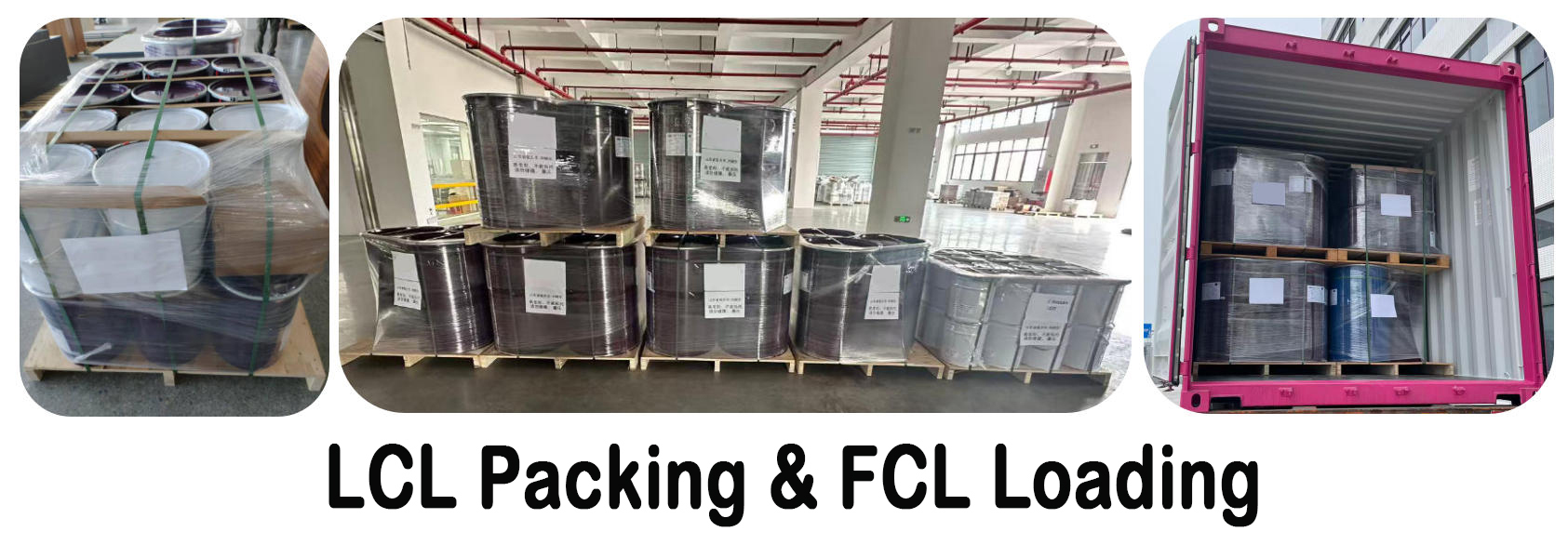
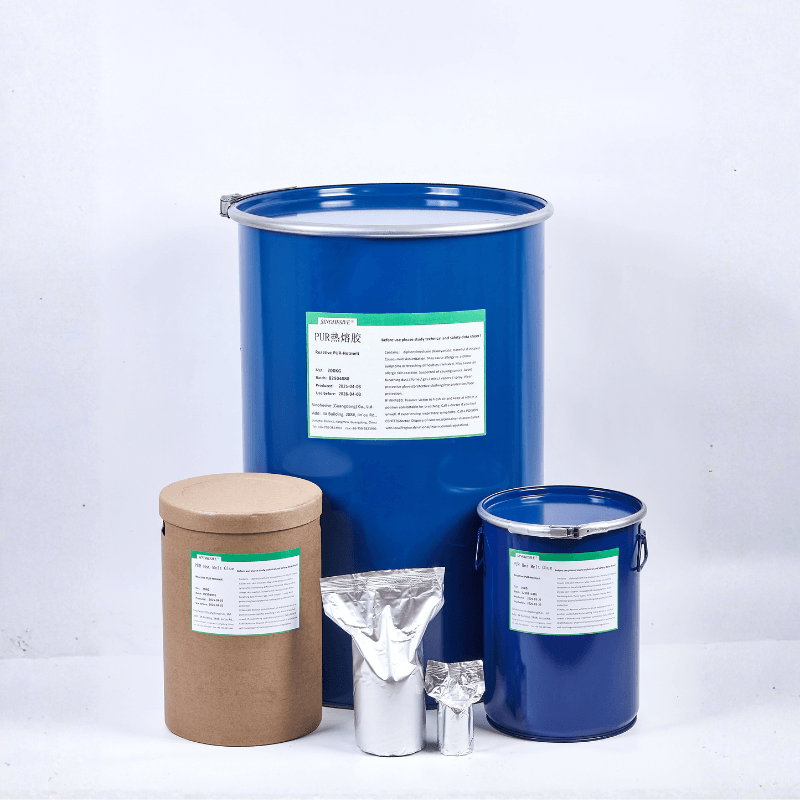
Available Packaging
We provide packaging options suitable for industrial PUR hot melt adhesive applications:
1) 200 Kg / drum
2) 20 Kg / pail or barrel
Please contact us to confirm the available packaging format, loading quantity, and shipping arrangement for your selected adhesive grade.

Company Information
Sino-Adhesive is a manufacturer of PUR hot melt adhesive, also known as polyurethane reactive adhesive. We provide bonding solutions for textile lamination, sponge bonding, home furnishings, automotive interior trim, woodworking, and other industrial applications.
Located in Jiangmen City, Guangdong Province, China, Sino-Adhesive provides product selection, sample evaluation, technical documentation, and application support for customers with different substrates, equipment, and performance requirements.

FAQ
What materials can PUR hot melt adhesive bond in sponge lamination?
PUR hot melt adhesive can be used for bonding polyurethane foam, polyester foam, textile fabrics, knitted fabrics, woven fabrics, nonwovens, microfiber, artificial leather, and selected automotive interior materials. Compatibility should be evaluated for each substrate combination.
Can PUR adhesive help reduce wrinkling and delamination?
Yes. A suitable PUR grade provides strong initial tack to help hold foam and fabric layers in position during lamination. Proper adhesive coating weight, temperature, pressure, and line speed are also important for reducing wrinkles and delamination.
Is PUR hot melt adhesive suitable for washing or dry-cleaning applications?
Selected PUR grades are designed to provide durable resistance to washing and dry cleaning after full moisture curing. The required test method, washing temperature, detergent, and final product structure should be provided during adhesive selection.
What application equipment is suitable for sponge bonding?
PUR adhesive can be used with PUR melters and industrial application systems such as roller coating, slot-die coating, spray coating, or other customized lamination equipment. The best system depends on substrate type, coating pattern, production speed, and bonding requirements.
What information should I provide for product recommendation?
Please share the foam type and density, fabric composition and weight, surface treatment, application equipment, coating method, production speed, required heat or wash resistance, and estimated purchase volume. This information helps us recommend a suitable PUR adhesive grade.
Do you provide samples, TDS, SDS, and technical support?
Yes. Sino-Adhesive can provide product samples, TDS, SDS, and technical support for adhesive selection and process optimization. We can assist with application temperature, coating weight, open time, lamination pressure, and bonding performance evaluation.
 中文
中文 English
 한국어
한국어 にほんごばん
 Français
 Deutsch
 Español
 Русский язык
 بالعربية
 português
 Italiano
 Tiếng
Việt
Tiếng
Việt คนไทย
คนไทย