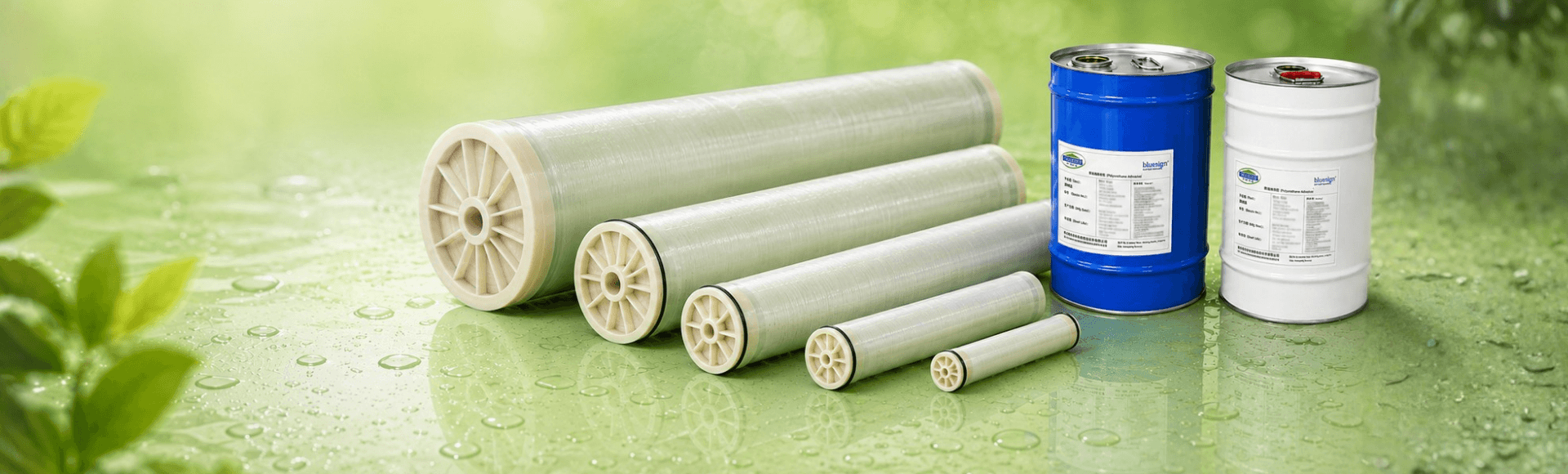
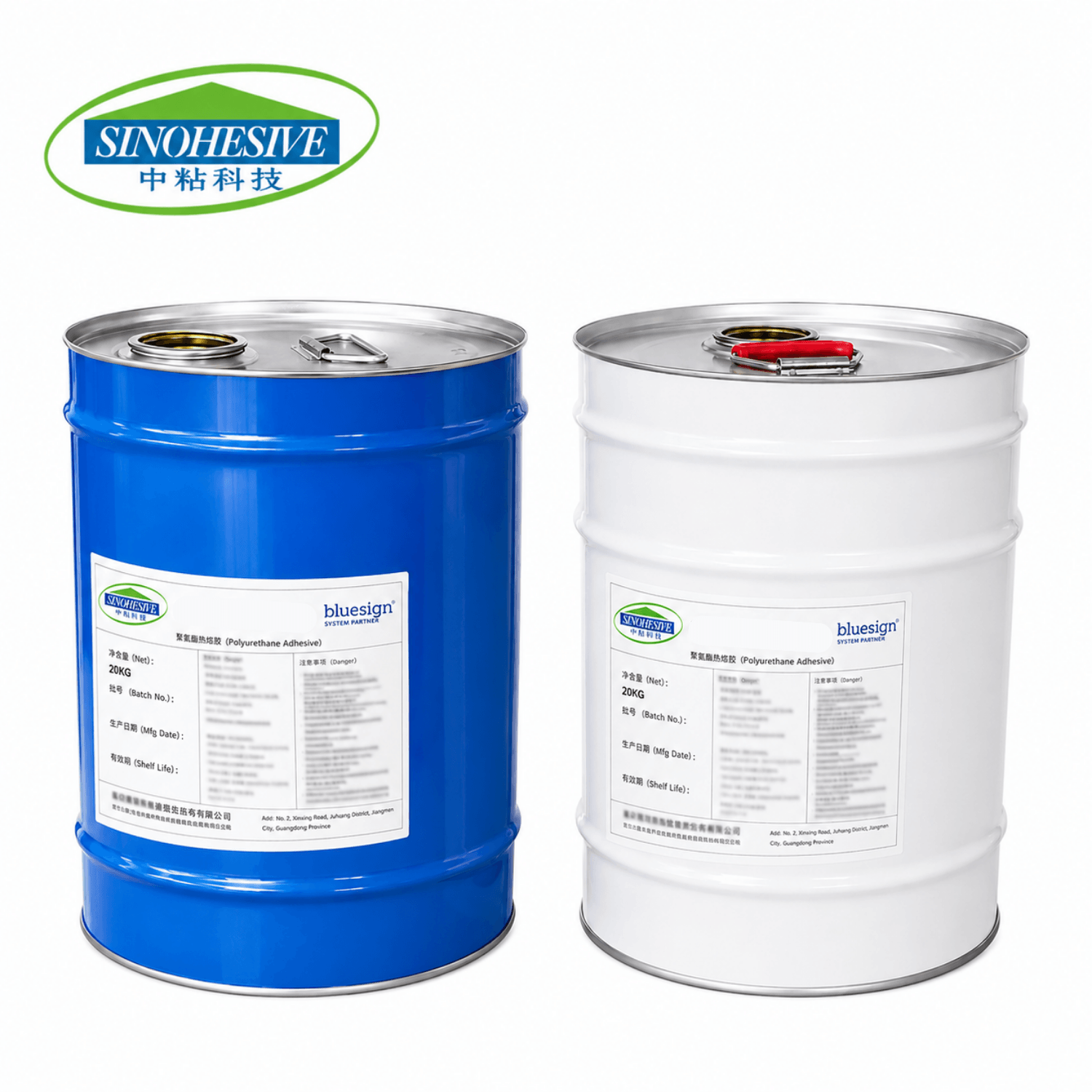
Two-Component PUR Adhesive for RO/NF Membrane Elements
Application Overview
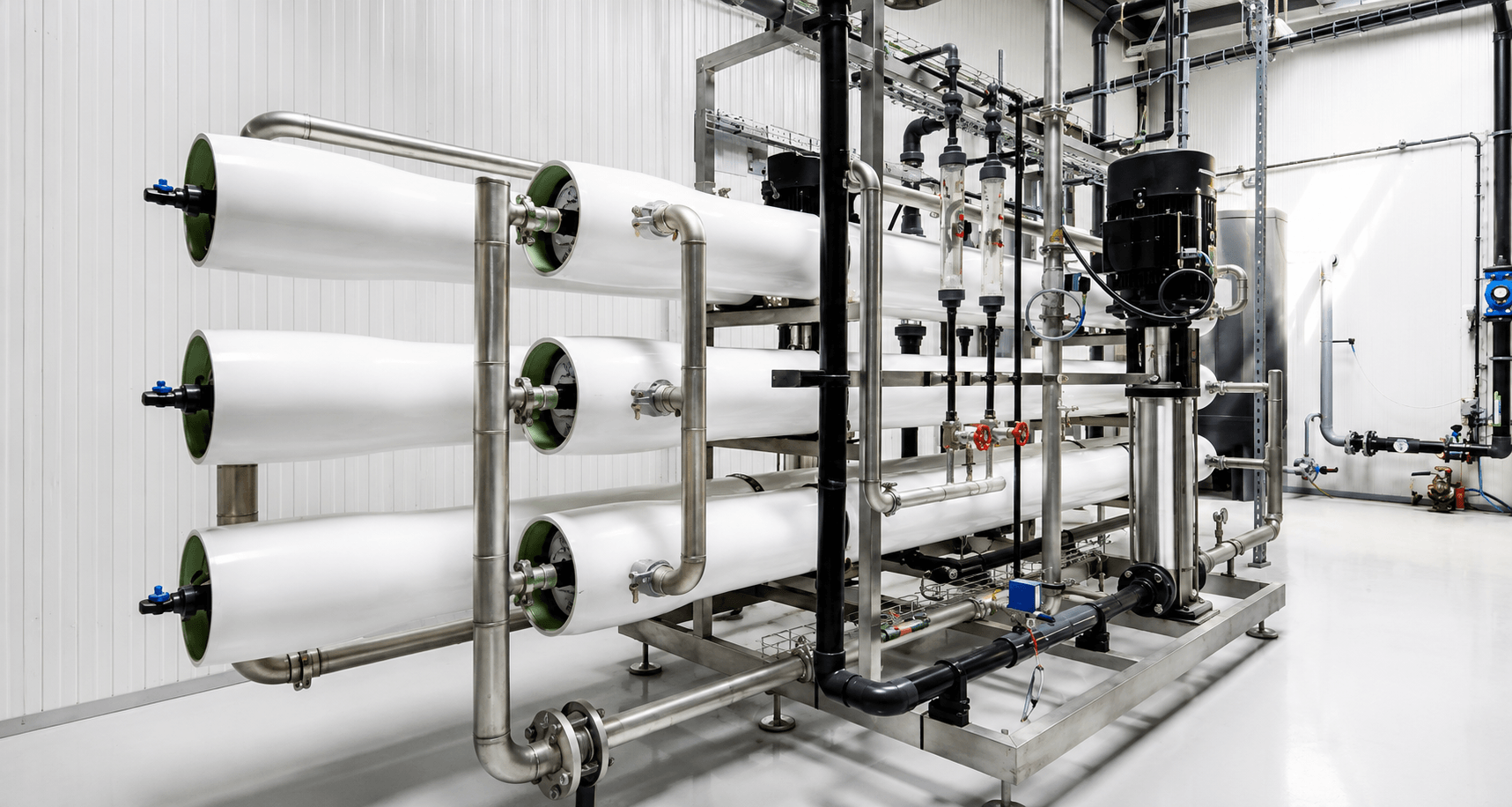
SINOHESIVE two-component PUR adhesive for RO/NF membrane elements is specially designed for bonding, sealing, and potting applications in water-treatment membrane assemblies.It is suitable for the assembly of spiral-wound reverse osmosis (RO) and nanofiltration (NF) membrane elements, including bonding and fixing membrane sheets, feed spacers, permeate spacers, and central tubes.The adhesive is supplied as two components, Part A and Part B, which are used together at the specified mixing ratio. It can be processed with automatic metering, mixing, and dispensing equipment to support stable adhesive application, precise bead control, and reliable sealing during membrane element assembly.
Environmental Compliance & Potable Water Applications
The product is a solvent-free two-component polyurethane adhesive designed to support environmental and health-related compliance requirements such as RoHS and REACH.According to technical data, the formulation contains no volatile organic solvents and is designed to minimize low-molecular-weight extractables after full curing.It can therefore be considered for water-treatment components involving potable-water contact and other applications with relatively strict hygiene or food-safety requirements.Specific regulatory compliance should be confirmed according to the target market, final product configuration, and applicable regulations.

Key Benefits
Compatible with Multiple RO/NF Membrane Materials
The adhesive provides good bonding compatibility with commonly used membrane materials, including polyamide composite membranes (PA), cellulose acetate membranes (CA), and porous support materials such as polysulfone (PSF).It is suitable for a wide range of RO and NF membrane element assembly applications.
Hydrolysis, Acid & Alkali Resistance
After curing, the adhesive layer provides good hydrolytic stability as well as resistance to acidic and alkaline environments.It can support bonding strength and sealing integrity under long-term water immersion, chemical cleaning, and operating conditions ranging approximately from pH 1 to 13.Actual performance should be verified according to the intended chemical exposure and service conditions.
Good Thixotropy for Precise Bead Control
The adhesive provides good thixotropic properties, allowing the applied bead to hold its shape and helping reduce uncontrolled flow after dispensing.This supports precise bead control during automated membrane winding and helps create full, consistent, and well-defined sealing beads.
Suitable for Automated Two-Component Dispensing
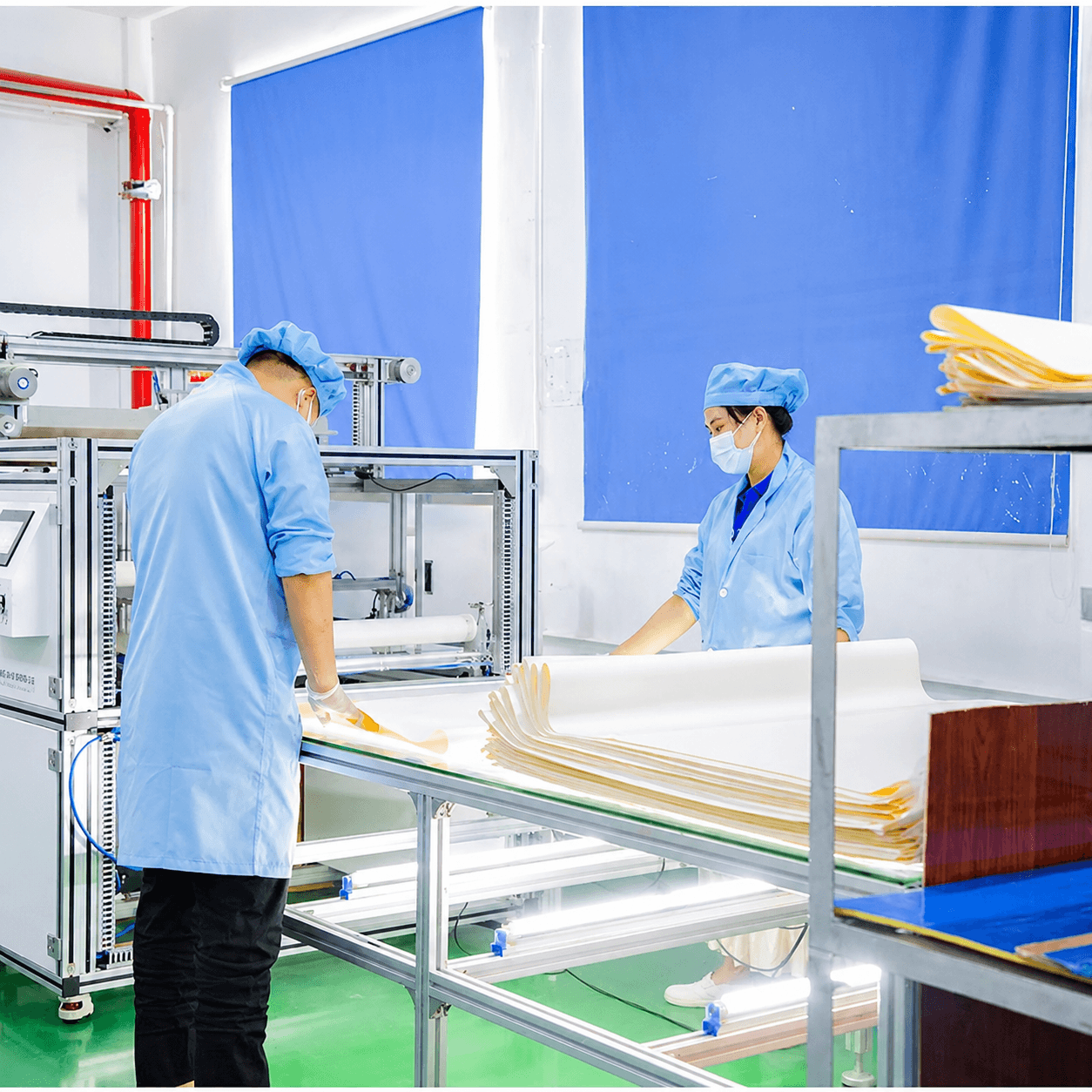
For mass production, automatic metering, mixing, and dispensing equipment is recommended to ensure accurate component ratios and consistent mixing.Static mixers or dynamic mixing heads can be used to achieve uniform mixing before application.After mixing, the adhesive should preferably be used within approximately 10–20 minutes at 25°C. Higher ambient temperatures may shorten the actual working time.
Balanced Penetration and Continuous Sealing
Adhesive coat weight should be determined according to membrane thickness, winding tension, and element design requirements.The adhesive should sufficiently penetrate and fill the edge gaps between membrane layers to form a continuous and uninterrupted sealing bead.Actual adhesive consumption should be confirmed through production trials.
Application Support for Your RO/NF Membrane Element Project
Final bonding and sealing performance can be affected by membrane material, spacer and central tube surface condition, mixing ratio, adhesive application amount, winding tension, pressing conditions, and curing environment.
SINOHESIVE can provide sample testing and adhesive selection support based on your specific project requirements, helping you complete the necessary validation before full-scale production.
Material compatibility evaluation based on PA, CA, PSF, and other membrane materials and element structures
Process recommendations based on automatic mixing, dispensing path, membrane winding method, and production cycle requirements
Guidance on substrate cleaning, pretreatment of low-surface-energy materials, mixing ratio, adhesive dispensing, and pressing conditions
Sample testing and comprehensive evaluation of bond strength, sealing integrity, hydrolysis resistance, acid and alkali resistance, and chemical cleaning resistance
Technical support for production trials, scale-up, and ongoing process optimization of RO/NF membrane elements
Contact SINOHESIVE to request a two-component PUR adhesive sample and technical recommendations for RO/NF membrane element assembly applications.

 中文
中文 English
 한국어
한국어 にほんごばん
 Français
 Deutsch
 Español
 Русский язык
 بالعربية
 português
 Italiano
 Tiếng
Việt
Tiếng
Việt คนไทย
คนไทย