Adhesive bonding is a core and indispensable process in industrial filter manufacturing. Unlike ordinary civilian adhesives, industrial filter adhesive must withstand long-term airflow scouring, liquid immersion, temperature cycling, and chemical medium erosion. The rationality of adhesive selection directly determines the sealing tightness, structural stability, service life, and filtration efficiency of air filters, water filters, oil filters, and HVAC filters.
Many filter manufacturers face common production defects such as filter material delamination, frame degumming, sealing leakage, and adhesive failure in complex working conditions. Most of these problems stem from mismatched adhesives, ignoring the differences in filter media, frame substrates, temperature resistance, water resistance, and chemical resistance requirements. For professional industrial filter adhesive suppliers, scenario-based customized matching is the key to improving filter product qualification rate.
This article focuses on four mainstream industrial filter types: air filter, water filter, oil filter, and HVAC filter. It systematically analyzes adhesive selection standards based on filter material types, frame materials, temperature resistance, water resistance, and chemical medium tolerance, providing a complete set of reliable bonding solutions for industrial filter production.
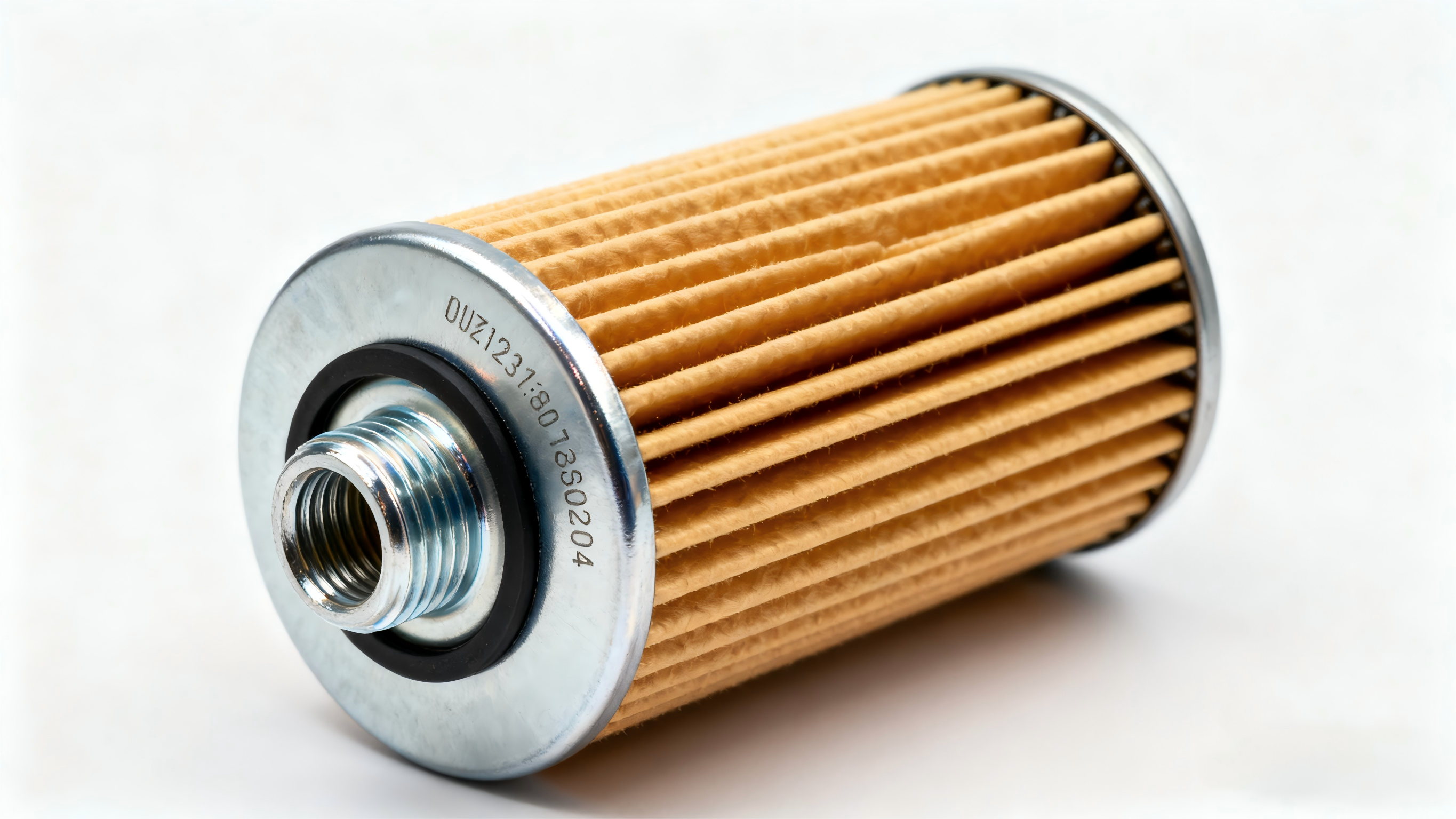
1. Core Selection Criteria for Industrial Filter Adhesives
Industrial filters work in complex and diverse environments. Ordinary universal adhesives cannot meet long-term industrial operating standards. Five core indicators must be strictly checked during adhesive selection to avoid batch failure of finished filters.
1.1 Filter Media Type Adaptability
Filter materials include glass fiber, polyester fiber, PP cotton, activated carbon filter layer, and composite filter cotton. Different filter media have different fiber densities, surface energy, and air permeability requirements. The adhesive needs to achieve firm bonding without blocking micropores, damaging filter fibers, or affecting filtration flux and precision.
1.2 Frame Material Compatibility
Filter frames are mainly made of plastic (PP, ABS, PVC), metal (aluminum alloy, galvanized sheet), and paperboard. Dissimilar material bonding requires adhesives with strong universal adhesion and good wettability to avoid interface degumming caused by inconsistent thermal expansion and contraction coefficients.
1.3 High and Low Temperature Resistance Requirements
Industrial filters involve high-temperature flue gas filtration, low-temperature cold air filtration, and engine oil filtration scenarios. The adhesive must maintain stable bonding strength without softening, flowing, brittle cracking, or aging failure under continuous high-temperature or alternating cold and hot environments.
1.4 Water Resistance & Humidity Resistance
Water filters, humid environment HVAC filters, and dust removal air filters are in long-term humid or water-immersed working conditions. The adhesive needs excellent hydrolysis resistance and water immersion stability to prevent bonding failure, bubbling, and delamination caused by moisture penetration.
1.5 Chemical Medium Resistance
Oil filters and industrial chemical filters need to resist the erosion of engine oil, hydraulic oil, organic solvents, and weak acid and alkali media. Ordinary adhesives are prone to swelling, dissolving, and strength attenuation after contacting chemical media, leading to filter sealing failure.
2. Adhesive Solutions for Four Mainstream Industrial Filter Types
Combined with the actual working conditions and structural characteristics of different filters, targeted adhesive matching can completely solve common quality problems such as filter leakage, degumming, and short service life.
2.1 Air Filter (Industrial Dust Removal & Purification)
Industrial air filters are widely used in factory dust removal, equipment air intake purification, and environmental protection flue gas filtration. The main filter materials are glass fiber, polyester fiber, and non-woven fabric, with frames of aluminum alloy and plastic. The core working characteristics are long-term airflow scouring, dust accumulation impact, and normal temperature to medium temperature operation.
Key Working Requirements: High bonding toughness, anti-vibration and anti-scouring, no powder falling, stable sealing at normal and medium temperature
Recommended Adhesive Solution: Modified PUR hot melt adhesive & environmental protection acrylic adhesive
PUR adhesive has excellent fiber penetration and toughness, which can firmly bond fluffy filter fibers without blocking micropores. It can resist long-term high-speed airflow impact and vibration, avoiding filter material shedding and frame degumming. It features low VOC and no pollution, meeting industrial air purification equipment environmental standards. For conventional low-cost air filter products, high-stability acrylic adhesive can be used for auxiliary sealing and fixing.
2.2 Water Filter (Industrial Water Treatment & Purification)
Industrial water filters are used for circulating water treatment, wastewater filtration, and equipment water purification. The filter materials include PP filter cotton, melt-blown filter material, and stainless steel filter mesh, with plastic and metal frames. The core pain point is long-term water immersion and humid erosion.
Key Working Requirements: Excellent water hydrolysis resistance, long-term water immersion without degumming, microbial corrosion resistance, no harmful precipitation
Recommended Adhesive Solution: Waterproof modified PUR adhesive & food-grade epoxy adhesive
Water-resistant PUR adhesive forms a compact cross-linked structure after curing, with zero water permeability and strong hydrolysis resistance, which can maintain stable bonding strength for a long time in water immersion environment. For high-precision drinking water and industrial pure water filter equipment, food-grade epoxy adhesive is selected to ensure safety and no precipitation, meeting water purification industry standards.
2.3 Oil Filter (Mechanical Equipment Oil Filtration)
Oil filters are applied to engine equipment, hydraulic systems, and mechanical lubrication systems, filtering engine oil, hydraulic oil, and lubricating oil. The working environment features high temperature, oil immersion, and alternating pressure, which is the harshest working condition for filter adhesives.
Key Working Requirements: High temperature resistance, oil corrosion resistance, solvent swelling resistance, high structural strength
Recommended Adhesive Solution: High-temperature resistant epoxy structural adhesive & oil-resistant modified PUR adhesive
Epoxy adhesive has ultra-high oil resistance and high-temperature stability, not easy to swell and dissolve in long-term oil immersion environment, and can maintain sealing and structural strength under high-temperature oil temperature. Modified PUR adhesive balances toughness and oil resistance, adapting to the vibration and pressure change of mechanical operation, preventing filter internal cracking and leakage.
2.4 HVAC Filter (Central Air Conditioning & Ventilation System)
HVAC filters are used for commercial central air conditioning, fresh air systems, and building ventilation equipment, including primary efficiency, medium efficiency, and high-efficiency filter screens. The working environment is indoor constant temperature and high humidity, requiring long-term anti-aging and low odor.
Key Working Requirements: Low odor, environmental protection, anti-aging, high humidity resistance, flexible bonding to adapt to ventilation vibration
Recommended Adhesive Solution: Low-VOC environmental protection PUR adhesive
HVAC filters have high requirements for indoor air safety. PUR adhesive is solvent-free and low-odor, meeting indoor environmental protection standards. It has good flexibility and vibration resistance, adapting to long-term ventilation operation vibration of air conditioning systems, and will not age and degumming in high-humidity indoor environment, ensuring long-term stable filtration effect.
3. Matching Scheme of Filter Frame Material & Adhesive
The bonding failure of filters is mostly caused by mismatched frame substrate and adhesive. The following is the most stable matching standard for common filter frame materials:
- Plastic Frame (PP/ABS/PVC): Prioritize modified PUR adhesive. It has excellent adhesion to low-surface-energy plastics, no need for complex surface treatment, firm bonding and no degumming.
- Metal Frame (Aluminum Alloy/Galvanized Sheet): Epoxy structural adhesive + PUR adhesive composite matching. Epoxy ensures rigid fixing strength, and PUR fills gaps for flexible sealing.
- Paperboard Frame: Environmental protection water-based adhesive & low-viscosity PUR adhesive. It penetrates paper fibers firmly, no paper peeling, low cost and environmental protection.
4. Common Filter Adhesive Failure Problems & Solutions
- Air filter fiber shedding: Adhesive viscosity is too high, blocking fibers or insufficient penetration → Use low-viscosity high-permeability PUR filter adhesive
- Water filter bubbling and delamination: Poor adhesive hydrolysis resistance → Replace with waterproof and hydrolysis-resistant cross-linked PUR adhesive
- Oil filter leakage and degumming: Ordinary adhesive is swollen by oil erosion → Upgrade to oil-resistant epoxy or modified PUR adhesive
- HVAC filter odor and aging: Solvent-containing adhesive is used → Adopt fully solvent-free low-VOC environmental protection adhesive
- High-temperature filter adhesive failure: Insufficient temperature resistance grade → Match medium and high-temperature resistant special filter adhesive
5. FAQ About Industrial Filter Adhesive Selection
Q1: What is the best adhesive for industrial filter bonding?
There is no universal best adhesive. Air and HVAC filters prioritize flexible low-VOC PUR adhesive; water filters use waterproof PUR and food-grade epoxy adhesive; oil filters must use high-temperature and oil-resistant epoxy structural adhesive.
Q2: Can ordinary hot melt adhesive be used for water and oil filters?
No. Ordinary EVA hot melt adhesive has poor water resistance and oil resistance, easy to hydrolyze, swell and fall off in liquid immersion environment, which cannot meet industrial filter durability standards.
Q3: What adhesive is suitable for glass fiber filter material?
Modified PUR adhesive is the most suitable. It has good wettability for fine glass fibers, will not damage fiber structure, can fix scattered fibers, and ensure the air permeability and filtration accuracy of the filter screen.
Q4: How to avoid filter frame sealing leakage?
Select adhesives with good flexibility and gap-filling performance, match different formulas according to plastic and metal frames, and avoid rigid adhesive cracking and leakage caused by thermal expansion and contraction.
Related Articles
Types of Book Binding Adhesives & Selection Guide
Flexible Packaging Adhesive Selection for Laminated Materials
PUR Adhesives in Electronics Precision Bonding
Automotive Adhesive Types & Component Bonding Solutions
About SINOHESIVE
SINOHESIVE is a professional industrial filter adhesive supplier focusing on the R&D, production and customization of high-performance PUR and industrial special adhesives. We provide targeted adhesive solutions for air, water, oil, and HVAC filter manufacturing industries.
Our industrial adhesives are widely used in filter manufacturing, automotive industry, electronic precision bonding, textile lamination, printing and packaging, and other industrial fields, providing stable and high-quality bonding support for industrial production.
If you have customized adhesive selection and technical problems for filter production, please feel free to contact us for professional technical support.

 中文
中文 English
 한국어
한국어 にほんごばん
 Français
 Deutsch
 Español
 Русский язык
 بالعربية
 português
 Italiano
 Tiếng
Việt
Tiếng
Việt คนไทย
คนไทย