Modern consumer electronics, smart home devices, and intelligent display systems are trending toward lightweight, ultra-thin, high-precision, and long-term stable operation. Traditional electronic adhesives often face failures such as interface delamination, foam warping, poor low-temperature toughness, and aging peeling after long-term device operation, temperature cycling, and vibration tests.
PUR adhesives in electronics have gradually become the mainstream high-end electronic adhesive solution for precision bonding. Thanks to their solvent-free formula, irreversible moisture cross-linking curing, excellent material compatibility, and stable temperature cycle resistance, PUR adhesives solve the difficult bonding problems of multi-material composite electronic structures and meet industrial-grade reliability standards.
This article focuses on the application advantages of PUR electronic adhesives for five core electronic materials including glass, PC, ABS, metal, and PET. It summarizes reliable bonding processes for displays, touch panels, electronic control modules, and smart home devices, providing standardized adhesive selection guidelines for electronic manufacturing enterprises.
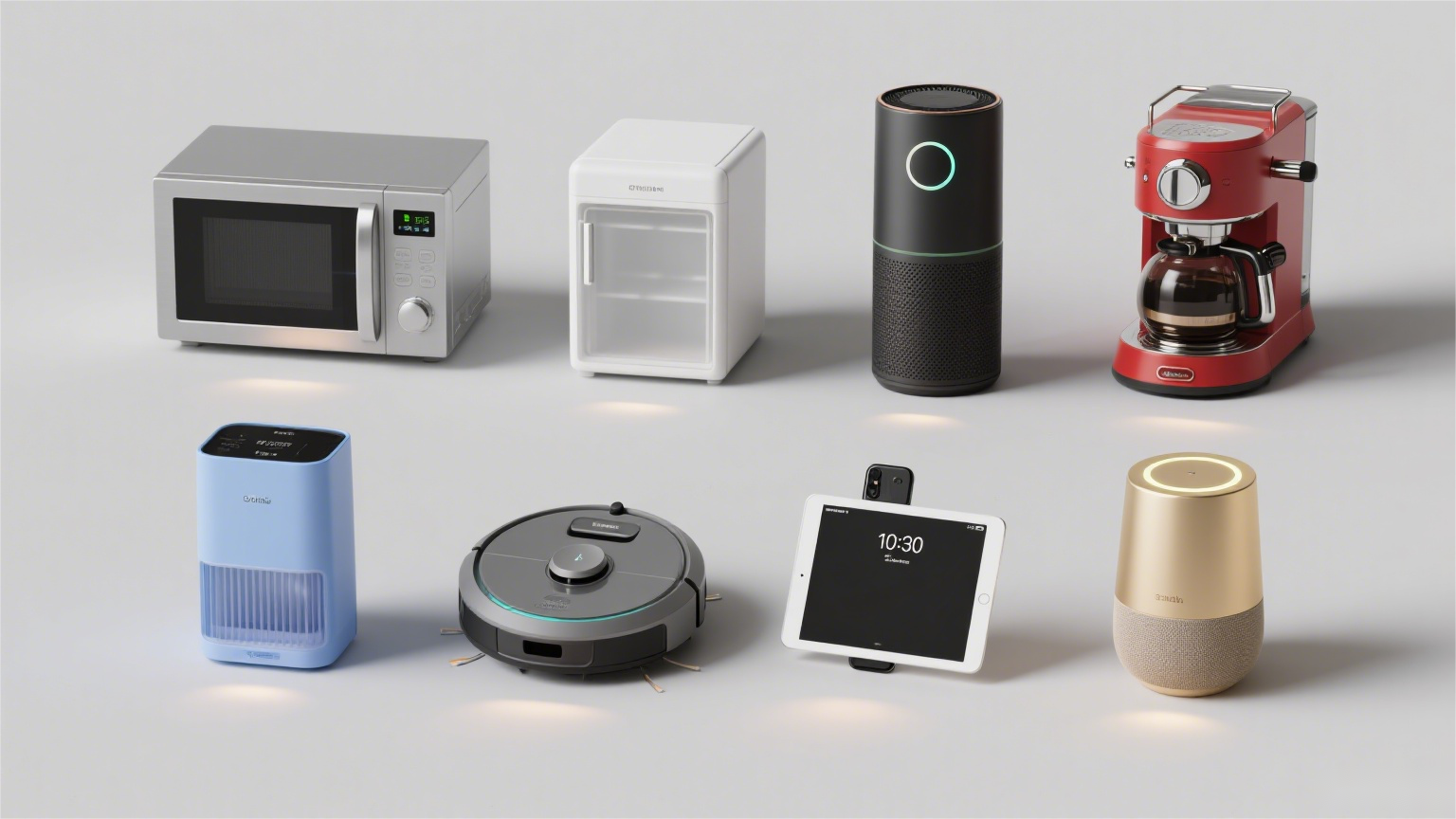
1. Why PUR Adhesives Are Suitable for Electronic Product Bonding
Different from ordinary industrial adhesives, electronic-grade adhesives require ultra-high stability, low shrinkage, insulation, aging resistance, and no corrosion to precision components. PUR reactive hot melt adhesives have unique technical advantages in electronic assembly:
- Zero solvent and low VOC: No corrosion to electronic circuits, coatings, and precision screens, meeting consumer electronics environmental protection standards
- Low curing shrinkage: Effectively avoid screen warping, foam deformation and component offset
- Excellent temperature cycle resistance: Stable bonding from -40℃ to 120℃, adapting to electronic device heating and seasonal temperature changes
- High toughness and vibration resistance: Absorb internal vibration of equipment to prevent precision parts from loosening and peeling
- Wide material compatibility: Reliable bonding for plastic, metal, glass, and film composite structures
2. PUR Bonding Solutions for 5 Core Electronic Materials
Electronic products are mostly composed of dissimilar material composite structures. Different substrates have distinct surface energy, hardness and thermal expansion coefficients. PUR adhesive can formulate targeted wettability and flexibility to achieve zero-defect bonding for various electronic materials.
2.1 Glass Material
Glass is widely used in display cover plates, touch screen panels, and smart device protective covers. It features smooth surface, low surface energy, and easy delamination caused by temperature expansion and contraction.
PUR Bonding Performance: PUR adhesive has excellent wetting ability on ultra-smooth glass surfaces. After curing, it forms a high-toughness glue layer that follows glass thermal deformation without edge cracking or warping. It features high light transmittance, no yellowing, and no shadow interference, fully meeting the appearance and precision requirements of electronic screen bonding.
Typical Applications: Cover glass lamination, touch screen fitting, display frame bonding
2.2 PC (Polycarbonate) Material
PC plastic is commonly used for electronic device housings, back covers, and structural support parts, featuring high toughness and impact resistance, but prone to internal stress and thermal deformation.
PUR Bonding Performance: PUR adhesive will not cause stress cracking on PC surfaces. Its flexible curing property can buffer the thermal expansion and contraction of PC materials, avoiding glue layer peeling and housing deformation. It has strong overall wrapping and fixing performance for thin PC structural parts.
Typical Applications: Electronic housing assembly, PC structural parts fitting, internal support fixing
2.3 ABS Material
ABS plastic is the most common shell material for smart home devices and consumer electronics, with low surface polarity and poor adhesion of ordinary adhesives.
PUR Bonding Performance: Modified PUR electronic adhesive has excellent adhesion to ABS smooth surfaces, no need for complex surface treatment. It features fast initial tack, firm curing, no degumming after long-term use, and no corrosion to ABS plastic surface.
Typical Applications: Smart device shell sealing, ABS structural assembly, small electronic parts fixing
2.4 Metal Material
Electronic internal brackets, heat dissipation parts, and metal conductive sheets require stable bonding with plastic structures, with high requirements for insulation and aging resistance.
PUR Bonding Performance: PUR adhesive has strong adhesion to aluminum alloy, stainless steel, and galvanized metal surfaces. The cured glue layer has good insulation performance, high and low temperature resistance, and can maintain stable bonding strength in long-term heat dissipation and vibration environments of electronic equipment.
Typical Applications: Metal bracket fixing, heat dissipation component bonding, metal and plastic dissimilar material assembly
2.5 PET Film Material
PET functional films, display protective films, and insulating films are widely used in electronic screen modules and internal insulation structures. Smooth PET surface leads to difficult bonding for ordinary adhesives.
PUR Bonding Performance: PUR adhesive solves the industry pain point of difficult bonding of low-surface-energy PET films. It has uniform coating, no film warping, no bubble delamination, and excellent peeling resistance, suitable for high-precision film lamination of electronic modules.
Typical Applications: Display film lamination, internal insulating film bonding, electronic surface functional film fitting
3. PUR Adhesive Applications in Core Electronic Scenarios
Combined with material matching characteristics, PUR electronic adhesives achieve reliable bonding and long-term stability in four major electronic manufacturing scenarios, becoming the preferred adhesive for high-precision electronic assembly.
3.1 Display Module Bonding
Display modules include LCD, OLED screens, and full-fit display structures, requiring ultra-thin glue layer, no shadow, low shrinkage, and anti-aging yellowing.
PUR adhesive perfectly adapts to screen ultra-thin fitting technology. It avoids screen warping and bright spot defects caused by glue layer shrinkage. Its high light stability ensures no color difference or yellowing after long-term screen operation, meeting the high-precision assembly requirements of smart phone screens, vehicle displays, and commercial screens.
3.2 Touch Panel Lamination
Touch panels require high sensitivity, flat fitting, and anti-vibration anti-loosening performance. Ordinary hard adhesives easily cause touch failure and panel cracking.
The flexible and tough characteristics of PUR adhesive can buffer external impact and equipment vibration, protect the touch sensing layer structure, and ensure zero offset and stable induction of the touch panel for a long time. It is suitable for high-precision fitting of smart screens, industrial control panels, and wearable device touch panels.
3.3 Electronic Control Module Fixing
Internal ECU control modules, sensor modules, and circuit board structural parts require insulation, shock absorption, anti-loosening, and anti-aging fixation.
PUR electronic adhesive has excellent electrical insulation and thermal stability. It can fix internal precision electronic parts for a long time, avoid component falling off and circuit failure caused by equipment vibration, and adapt to long-term stable operation of industrial electronic equipment and vehicle electronic modules.
3.4 Smart Home Device Assembly
Smart speakers, smart panels, intelligent sensors, and home control devices are made of composite materials such as ABS, PC, metal and glass, requiring beautiful appearance, firm assembly and long service life.
PUR adhesive realizes multi-material integrated bonding for smart home devices, with invisible glue line, no shell deformation, strong weather resistance, and no degumming failure after long-term indoor use. It meets the dual requirements of product appearance quality and structural stability.
4. Advantages of PUR Electronic Adhesive vs Traditional Electronic Adhesives
Compared with acrylic glue, epoxy glue and silicone glue commonly used in electronics, PUR adhesive has comprehensive advantages in precision manufacturing:
- vs Epoxy: No brittleness, no cracking after vibration, no component damage, suitable for flexible precision assembly
- vs Silicone: Higher bonding strength, no oil precipitation, no screen pollution, better appearance performance
- vs Acrylic: No yellowing, low odor, better aging resistance, suitable for high-end electronic finished products
5. FAQ About PUR Adhesives in Electronics
Q1: Are PUR adhesives suitable for precision electronic bonding?
Yes. Electronic-grade PUR adhesives feature low shrinkage, high toughness, zero solvent and anti-yellowing, which are very suitable for display screens, touch panels and precision module assembly.
Q2: Can PUR adhesive bond dissimilar electronic materials?
Absolutely. It achieves reliable cross-bonding between glass, PC, ABS, metal and PET films, solving the delamination problem of dissimilar material thermal expansion and contraction.
Q3: Will PUR adhesive affect electronic circuit performance?
No. PUR electronic adhesives have stable insulation performance, no corrosivity, low VOC, and will not interfere with circuit operation or damage precision components.
Q4: Why choose PUR for display and touch screen bonding?
PUR adhesive has no shrinkage deformation, no light shadow, high transparency and anti-aging properties, which can ensure long-term flat fitting and stable touch sensitivity of the screen.
Related Articles
About SINOHESIVE
SINOHESIVE provide high-performance PUR adhesive solutions, professional technical support, and customized product development services in the research, development, manufacturing, and application support of Polyurethane Reactive Adhesives (PUR Adhesives).
Our products are widely used in automotive interiors, textile lamination, woodworking, automotive electronics, intelligent display systems, packaging production, and industrial manufacturing.
If you have any questions regarding the industries mentioned above, please feel free to
contact SINOHESIVE at any time. We would be happy to assist you.

 中文
中文 English
 한국어
한국어 にほんごばん
 Français
 Deutsch
 Español
 Русский язык
 بالعربية
 português
 Italiano
 Tiếng
Việt
Tiếng
Việt คนไทย
คนไทย