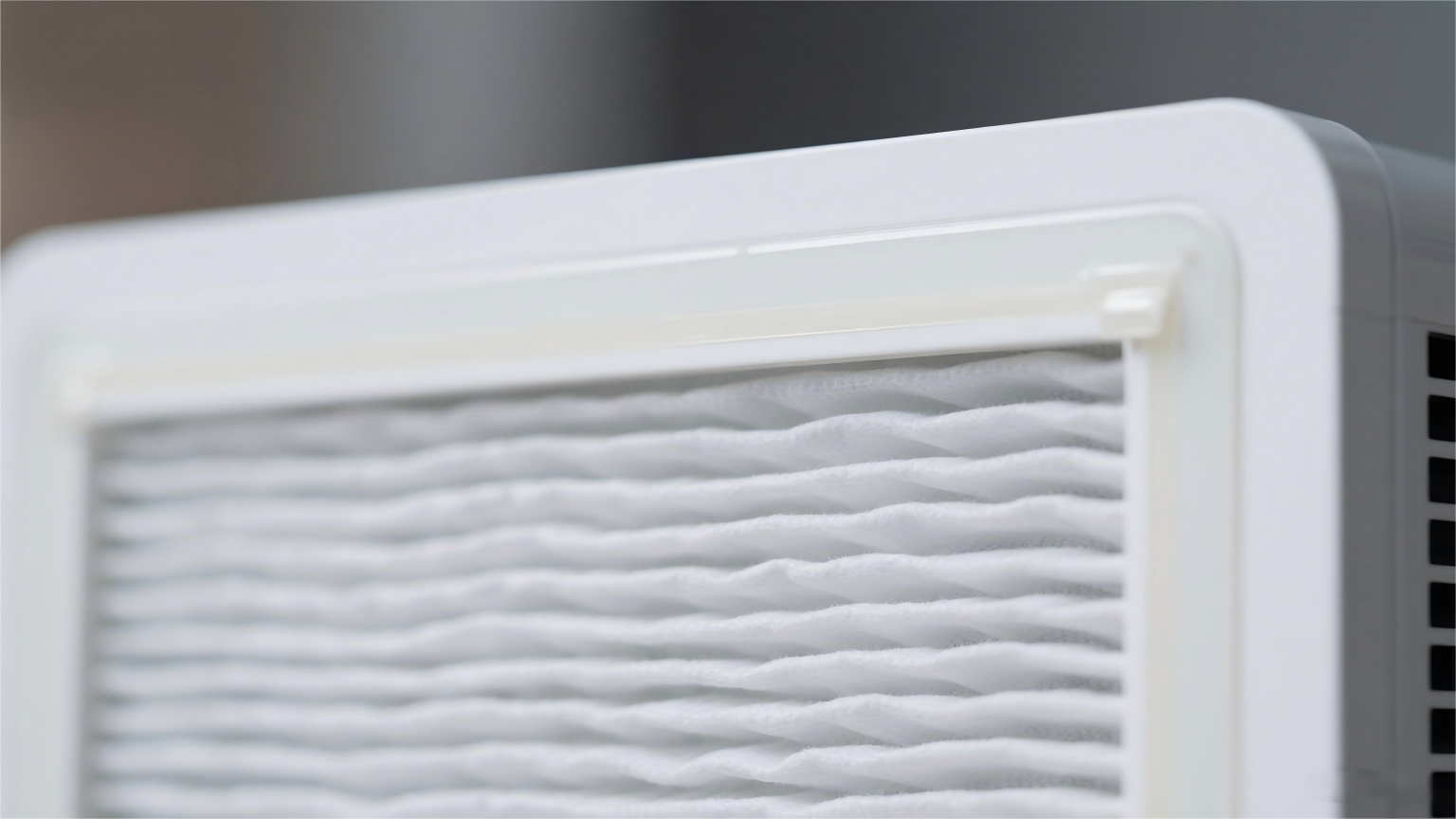
In the field of filtration, the structural integrity and sealing reliability of filter assemblies are critical. Reactive PUR (polyurethane) structural adhesive is emerging as a high‑performance bonding solution for both gas and liquid filters, enabling stronger, more durable, and tighter filter assemblies.
Advantages of PUR Adhesive in Filter Manufacturing
High Structural Strength
PUR adhesive cures via moisture to form a cross‑linked network with excellent internal cohesion. This delivers reliable bonding for filter housings, media, and components such as end caps and sealing rings, ensuring mechanical strength through use.
Excellent Environmental Resistance
Once fully cured, the PUR bond resists temperature fluctuations and moisture. This stability is ideal for filters exposed to variable operating conditions, whether in compressed air systems or liquid filtration modules.
Reliable Sealing Performance
For gas filters, airtightness is essential to prevent leaks. PUR structural adhesive provides effective sealing between the filter housing and the filter media, contributing to leak‑free performance and reliable filtration.
Wide Substrate Compatibility
PUR structural adhesive can bond a variety of materials used in filter construction, including metals (e.g., metal housings), plastics, and filter media materials, enabling flexible design and strong assembly.
Automated Application
As a single‑component adhesive, PUR can be applied via automated dispensing systems, supporting modern filter production lines. It offers rapid initial tack for fast positioning and then cures through moisture to deliver long-term strength.
Key Technical Considerations & Best Practices
Adhesive Selection
Select the appropriate PUR grade based on filter design. Key parameters to consider include viscosity, open time, and cure speed to match the filter assembly process and operating conditions.
Surface Preparation
Clean all bonding surfaces thoroughly to remove contaminants. For some plastic or metal surfaces, pre‑treatment (such as plasma or mechanical cleaning) may improve adhesion and bond quality.
Application Strategy
Design bead patterns (strip beads, dot beads, etc.) to ensure even coverage and strong bond areas.
Control bead size and placement to achieve necessary bond line thickness while avoiding excessive adhesive overflow.
Use temporary fixturing to hold parts in place during initial curing to ensure optimal contact and alignment.
Curing Control
Maintain controlled humidity conditions during curing to facilitate the moisture‑induced cross‑linking reaction. Proper environmental control ensures the adhesive reaches its full structural strength.
Quality Assurance & Testing
After bonding, perform accelerated aging tests (such as temperature cycling and humidity exposure), as well as pressure or burst testing, to validate long-term bond reliability under real operating conditions.
Application Scenarios
Gas Filters
PUR structural adhesive can bond media, end caps, and housing components in compressed air filters, clean-air systems, or high-performance gas filtration modules — achieving strong sealing and structural integrity.
Vehicular and Industrial Filters
For air filters used in engines or HVAC systems, PUR ensures durable bonding in environments with vibration, heat, and humidity. For liquid filters, such as those used in water treatment or chemical processing, the adhesive can form strong, chemically resistant bonds between media and housing.
Business Value & Industry Impact
Improved Reliability & Durability
Filters bonded with PUR adhesive can offer stronger, leak-free performance over prolonged usage, reducing maintenance and failure risks.
Manufacturing Efficiency
Automated application of PUR adhesive promotes high-throughput production, while strong initial tack reduces assembly time and rework.
Design Flexibility
The ability to bond diverse substrate materials gives filter manufacturers greater design freedom, enabling innovative filter structures and configurations.
Sustainability
As a high-performance adhesive that can reduce mechanical fasteners (e.g., screws, rivets), PUR contributes to lighter, more efficient filter designs and promotes modern manufacturing practices.
Future Outlook
With growing demands for high-performance filtration in industries such as industrial processing, clean air, and liquid purification, PUR structural adhesives are poised to play a transformative role. Advances in adhesive chemistry may lead to even faster-curing, more chemically resistant, and more flexible PUR formulations, driving innovation in next-generation filter design and manufacturing.

 中文
中文 English
 한국어
한국어 にほんごばん
 Français
 Deutsch
 Español
 Русский язык
 بالعربية
 português
 Italiano
 Tiếng
Việt
Tiếng
Việt คนไทย
คนไทย