As the automotive industry rapidly transitions toward electrification, lightweight construction, intelligent cockpits, and sustainable manufacturing, interior systems have become one of the key factors influencing vehicle quality and user experience. Modern automotive interiors are no longer composed of a single material. Instead, manufacturers combine plastics, textiles, leather, foam, decorative films, composites, and lightweight materials into integrated assemblies that require reliable and durable bonding technologies.
Traditional fastening methods such as screws, rivets, clips, and solvent-based adhesives often struggle to meet today's manufacturing requirements for lightweight design, production efficiency, appearance quality, and environmental compliance.
As a result, PUR Adhesive (Polyurethane Reactive Adhesive) has become one of the preferred bonding technologies for automotive interior manufacturing.
Compared with conventional adhesives, PUR adhesives provide:
- Higher bonding strength
- Excellent flexibility
- Outstanding heat and humidity resistance
- Low VOC emissions
- Superior long-term durability
- Excellent compatibility with automated production lines
This article explains how PUR adhesives are used in automotive seats, door panels, and headliner manufacturing, and why more Tier 1 suppliers and OEMs are adopting PUR adhesive solutions.
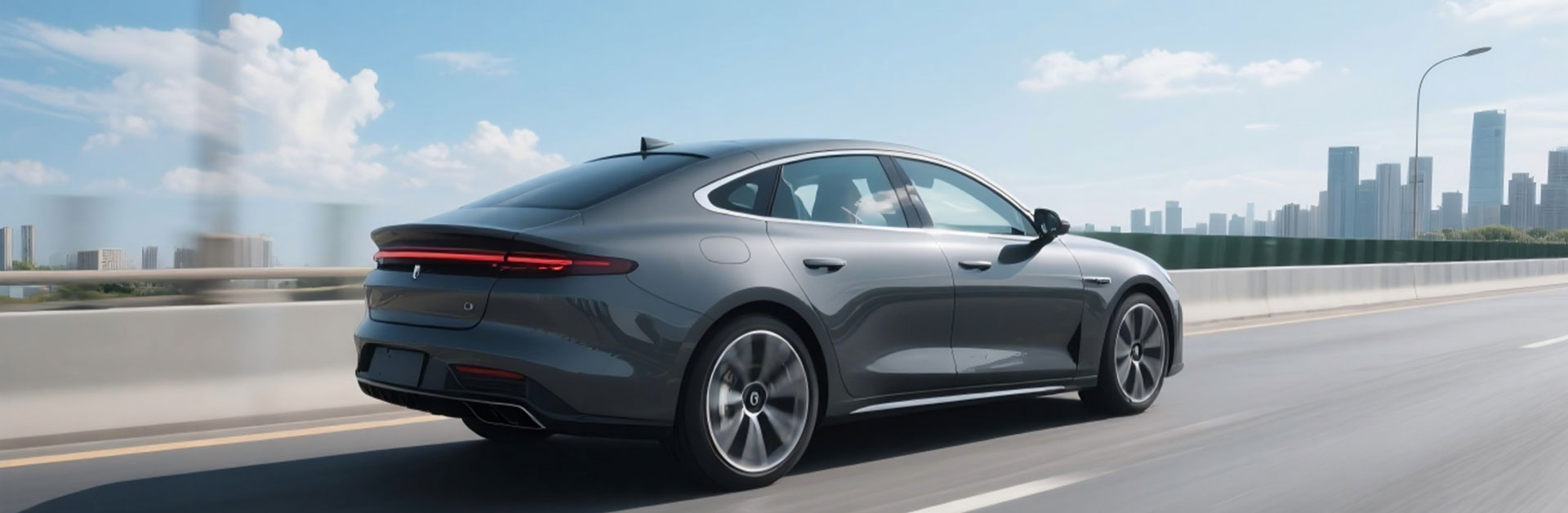
Automotive Interior Manufacturing Trends
The global automotive market is experiencing major technological changes that directly influence adhesive selection.
Lightweight Vehicle Design
Reducing vehicle weight helps manufacturers:
- Increase EV driving range
- Improve fuel efficiency
- Reduce carbon emissions
- Meet global emission regulations
Therefore, more interior components now utilize lightweight materials such as:
- PP
- ABS
- Honeycomb panels
- Composite boards
- Foam structures
- Nonwoven fabrics
Reliable bonding between these dissimilar materials requires high-performance PUR adhesives.
Smart Cockpit Development
Modern vehicle interiors integrate:
- Large center displays
- Ambient lighting
- Intelligent touch panels
- Decorative trim
- Electronic modules
These components require adhesives capable of maintaining long-term structural stability while preserving excellent appearance quality.
Sustainable Manufacturing
Global automotive manufacturers are increasingly emphasizing:
- Low VOC emissions
- Low odor
- Solvent-free production
- Environmental compliance
- Recyclable material systems
PUR adhesive technologies align well with these sustainability goals.
Why PUR Adhesives Are Ideal for Automotive Interior Bonding
PUR adhesive is a moisture-curing polyurethane adhesive.
Its bonding process consists of two stages.
Stage One — Hot Melt Bonding
The adhesive is heated and applied to the substrate.
After cooling, it immediately develops initial green strength, allowing rapid positioning and efficient assembly.
Stage Two — Moisture Curing
The adhesive reacts with ambient moisture to form a durable cross-linked polymer network.
This chemical reaction creates permanent structural bonding with outstanding durability.
Compared with traditional EVA hot melt adhesives, PUR adhesives provide significantly better long-term performance.
| Property | EVA Hot Melt | Solvent Adhesive | PUR Adhesive |
|---|
| Bond Strength | Medium | Good | Excellent |
| Heat Resistance | Medium | Good | Excellent |
| Moisture Resistance | Medium | Medium | Excellent |
| Aging Resistance | Medium | Good | Excellent |
| Flexibility | Good | Good | Excellent |
| Low VOC | Moderate | Poor | Excellent |
| Automated Production | Excellent | Moderate | Excellent |
Major Applications of PUR Adhesives in Automotive Interiors
1. Automotive Seat Manufacturing
Automotive seating systems combine multiple materials including:
- Leather
- PU leather
- Textile fabrics
- Foam
- Plastic components
- Reinforcement boards
PUR adhesives are widely used for:
- Fabric-to-foam lamination
- Leather bonding
- Decorative surface lamination
- Cushion assembly
- Armrest production
Benefits
- Soft and flexible bonding
- Excellent fatigue resistance
- High peel strength
- Long service life
- Comfortable seating performance
2. Door Panel Bonding
Door panels consist of multiple decorative and structural layers.
Typical substrates include:
- ABS
- PP
- PVC
- Decorative fabric
- Leather
- Foam
- Composite boards
PUR adhesives provide:
- Uniform lamination
- Bubble-free bonding
- Excellent peel strength
- Hidden fastening appearance
- Improved overall aesthetics
3. Automotive Headliner Manufacturing
Headliners require lightweight construction while maintaining:
- Acoustic insulation
- Thermal insulation
- Dimensional stability
Typical laminated structures include:
- Fabric
- Foam
- Fiberglass
- Nonwoven materials
PUR adhesives provide:
- Excellent flexibility
- Strong laminate integrity
- Long-term durability
- Heat resistance
- High production efficiency
4. Pillar Trim & Interior Decorative Components
PUR adhesives are also widely used in:
- A pillar trim
- B pillar trim
- C pillar trim
- Decorative panels
- Interior garnish components
They improve:
- Appearance quality
- Structural stability
- Manufacturing efficiency
5. Center Console and Smart Cockpit Components
As smart cockpits become increasingly common, PUR adhesives are used in:
- Decorative films
- Soft-touch materials
- Display bezels
- Interior electronic modules
- Functional decorative panels
The adhesive delivers excellent dimensional stability while supporting modern lightweight assembly methods.
Performance Requirements for Automotive Interior PUR Adhesives
Automotive manufacturers evaluate adhesives based on several critical performance indicators.
| Requirement | Importance |
|---|
| High Initial Tack | Enables faster automated production |
| Strong Final Bond Strength | Ensures long-term structural integrity |
| Heat Resistance | Prevents delamination under high temperatures |
| Humidity Resistance | Suitable for varying climates |
| Excellent Flexibility | Maintains comfort and appearance |
| Low VOC Emissions | Meets OEM environmental standards |
| Aging Resistance | Supports long vehicle service life |
Recommended Product
Sino-Adhesive Automotive Interior PUR Adhesive
Typical Applications
- Automotive seat lamination
- Door panel bonding
- Headliner manufacturing
- Pillar trim assembly
- Interior decorative panel lamination
- Armrest bonding
- Soft-touch interior materials
- Multi-layer composite interior structures
Key Advantages
- High bonding strength
- Excellent flexibility
- Outstanding heat resistance
- Superior humidity resistance
- Low VOC formulation
- Stable performance on automated production lines
- Compatible with various automotive interior substrates
How to Select the Right PUR Adhesive for Automotive Interior Manufacturing
Different production processes require different adhesive characteristics.
Consider the Following Factors
1. Material Combination
Examples include:
- Leather to foam
- Fabric to foam
- PP to fabric
- ABS to decorative film
- Plastic to composite board
Different material combinations require different adhesive formulations.
2. Production Process
Manufacturing methods include:
- Flat lamination
- Vacuum lamination
- Roller coating
- Spray coating
- Automated dispensing
Adhesive viscosity and open time should match production equipment.
3. Environmental Requirements
Consider:
- Cabin temperature
- UV exposure
- Humidity
- Vibration
- Long-term aging
Automotive interiors must maintain stable performance throughout the vehicle lifecycle.
Why More Automotive Manufacturers Choose PUR Adhesives
Compared with conventional bonding technologies, PUR adhesives offer multiple advantages.
Improved Manufacturing Efficiency
- Fast positioning
- Reduced assembly time
- Suitable for automated production
Better Appearance Quality
- Invisible bonding
- Cleaner surface finish
- No visible fasteners
Enhanced Product Reliability
- Long-lasting bond strength
- Excellent vibration resistance
- Reduced risk of delamination
Environmental Compliance
PUR adhesives help manufacturers satisfy increasingly strict automotive environmental regulations through low-VOC and solvent-free formulations.
Future Trends in Automotive Interior Adhesive Technology
As vehicle interiors continue to evolve, PUR adhesive technology will support several key trends.
Multi-Material Integration
Future interiors will combine:
- Carbon fiber composites
- Recycled materials
- Lightweight honeycomb structures
- Sustainable decorative materials
Smart Interior Systems
PUR adhesives will increasingly be used in:
- Smart cockpit modules
- Interactive displays
- Ambient lighting systems
- Intelligent decorative components
Green Manufacturing
Future PUR adhesive technologies will focus on:
- Lower VOC emissions
- Faster curing
- Higher automation compatibility
- Greater sustainability
Frequently Asked Questions (FAQ)
1. Which automotive interior components commonly use PUR adhesives?
PUR adhesives are widely used for automotive seats, door panels, headliners, pillar trims, armrests, center consoles, decorative panels, and other interior assemblies.
2. Why are PUR adhesives preferred over traditional hot melt adhesives?
PUR adhesives provide stronger bonding, superior heat resistance, excellent moisture resistance, longer service life, and better environmental performance.
3. Can PUR adhesives bond different interior materials?
Yes. PUR adhesives can effectively bond leather, PU leather, textiles, foam, PP, ABS, PVC, PET, composite panels, and many other automotive interior materials.
4. Are PUR adhesives suitable for automated production lines?
Absolutely. PUR adhesives are designed for automated coating, laminating, dispensing, and assembly equipment, making them ideal for high-volume automotive manufacturing.
5. Do PUR adhesives meet automotive environmental standards?
High-performance PUR adhesives feature low VOC emissions and low odor, helping manufacturers meet OEM environmental and indoor air quality requirements.
6. How can I choose the right PUR adhesive for automotive interior applications?
Selection should consider:
- Substrate materials
- Production process
- Equipment type
- Temperature requirements
- Production speed
- Final product performance
The Sino-Adhesive technical team can recommend customized PUR adhesive solutions based on your specific manufacturing needs.
Recommended Internal Links
PUR Hot Melt Adhesive Products
Automotive Lighting PUR Adhesive Solutions
Automotive Industry PUR Adhesive Solutions
Industry News Center
About Sino-Adhesive
Sino-Adhesive provide high-performance PUR adhesive solutions, professional technical support, and customized product development services in the research, development, manufacturing, and application support of Polyurethane Reactive Adhesives (PUR Adhesives).
Our products are widely used in automotive interiors, textile lamination, woodworking, automotive electronics, intelligent display systems, packaging production, and industrial manufacturing.
If you have any questions regarding the industries mentioned above, please feel free to contact Sino-Adhesive at any time. We would be happy to assist you.

 中文
中文 English
 한국어
한국어 にほんごばん
 Français
 Deutsch
 Español
 Русский язык
 بالعربية
 português
 Italiano
 Tiếng
Việt
Tiếng
Việt คนไทย
คนไทย