Selecting the right PUR Hot Melt Adhesive (Polyurethane Reactive Hot Melt Adhesive) is not simply a purchasing decision—it is a strategic factor that directly affects product quality, production efficiency, customer satisfaction, and long-term manufacturing costs.
As PUR adhesive technology becomes increasingly popular in woodworking, textile lamination, flexible packaging, bookbinding, automotive interiors, and industrial assembly, buyers are faced with a growing number of suppliers and product options.
Many companies focus primarily on price when purchasing adhesives. However, low-cost adhesives can often lead to:
- Product delamination
- Reduced production efficiency
- Increased waste
- Customer complaints
- Higher long-term operating costs
A successful PUR adhesive purchasing strategy should evaluate both product performance and supplier capabilities.
This guide explains how manufacturers can make informed purchasing decisions and identify reliable long-term PUR adhesive partners.
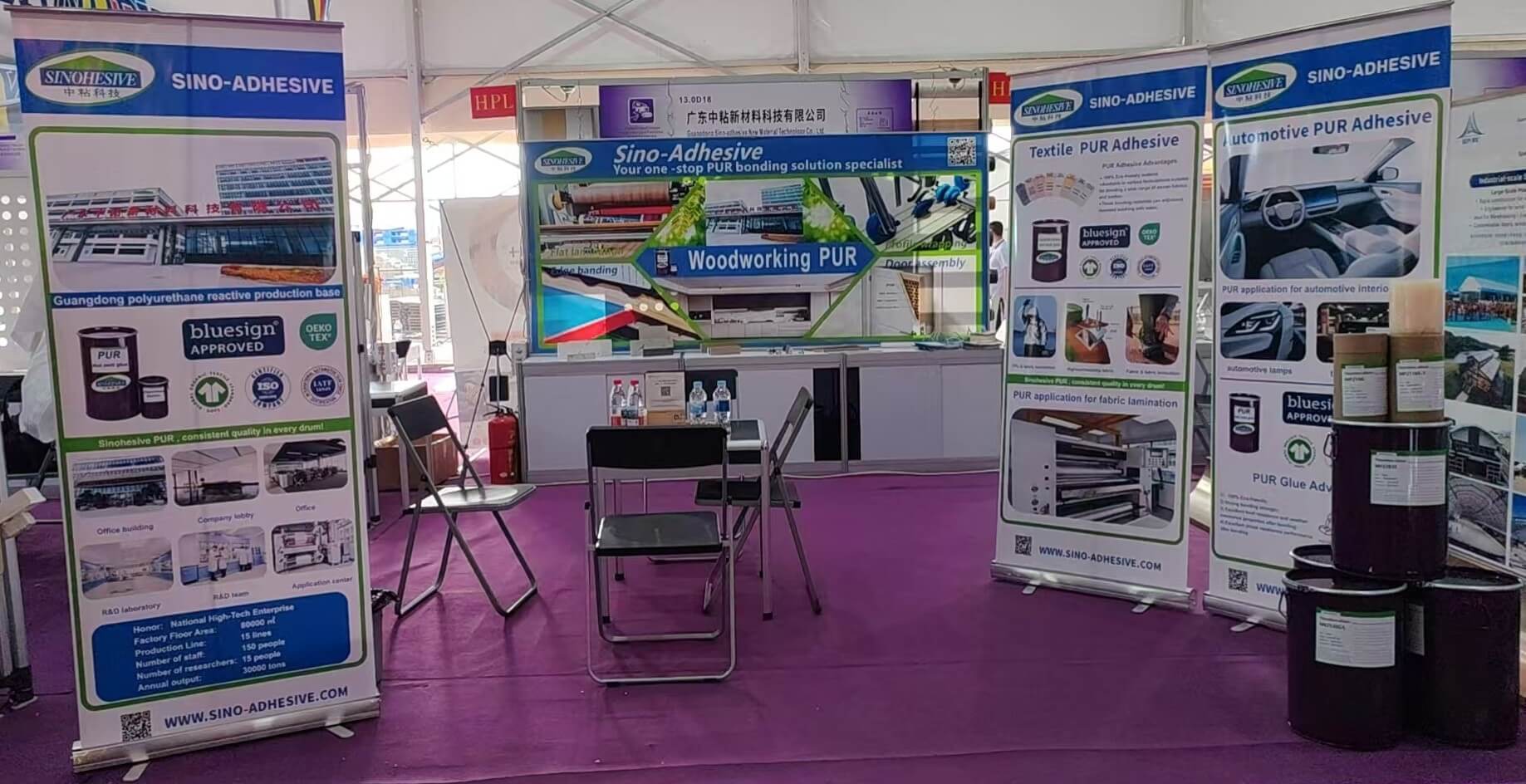
Why PUR Hot Melt Adhesives Are Becoming the Preferred Industrial Bonding Solution
PUR Hot Melt Adhesive combines the processing efficiency of hot melt technology with the long-term durability of reactive polyurethane chemistry.
Unlike conventional hot melt adhesives that rely only on physical cooling, PUR adhesives continue curing after application by reacting with moisture in the environment.
This creates a durable cross-linked polymer structure that delivers:
- Higher bond strength
- Better heat resistance
- Superior moisture resistance
- Longer service life
- Improved environmental performance
As a result, PUR adhesives are increasingly replacing traditional adhesive systems in demanding industrial applications.
Key Performance Factors to Evaluate Before Purchasing PUR Adhesives
1. Bond Strength
Bond strength remains the most important performance indicator for most industrial applications.
Initial Bond Strength
Strong initial tack is critical for:
- High-speed production lines
- Automated assembly systems
- Continuous manufacturing processes
Final Bond Strength
Final bond strength determines product durability throughout its lifecycle.
This is especially important for:
- Furniture manufacturing
- Textile composites
- Packaging structures
- Industrial assemblies
2. Heat Resistance
Many products experience elevated temperatures during transportation, storage, or daily use.
Typical examples include:
- Furniture exposed to sunlight
- Automotive interior components
- Flexible packaging
- Decorative building materials
Manufacturers should evaluate:
- Heat deformation resistance
- Bond stability at elevated temperatures
- Long-term thermal aging performance
3. Moisture Resistance
One of the most significant advantages of PUR adhesive technology is moisture resistance.
This becomes particularly important for:
- Waterproof textiles
- Kitchen furniture
- Bathroom furniture
- Flexible packaging
- Outdoor applications
Evaluation criteria include:
- Hydrolysis resistance
- Humidity resistance
- Long-term bonding stability
4. Open Time and Processing Window
Different manufacturing processes require different adhesive working times.
Short Open Time Applications
Suitable for:
- Edge banding
- Automated assembly
- High-speed packaging production
Long Open Time Applications
Suitable for:
- Large-area lamination
- Profile wrapping
- Complex assembly processes
Selecting the appropriate open time improves both production efficiency and product quality.
5. Environmental Compliance
Global environmental regulations continue to become more stringent.
Manufacturers should evaluate:
- VOC emissions
- Solvent content
- REACH compliance
- RoHS compliance
Environmentally responsible adhesives help support both regulatory compliance and sustainability initiatives.
PUR Adhesive vs Traditional Adhesive Technologies
| Performance Factor | PUR Adhesive | EVA Hot Melt | Water-Based Adhesive |
|---|
| Bond Strength | Excellent | Good | Good |
| Heat Resistance | Excellent | Moderate | Moderate |
| Moisture Resistance | Excellent | Moderate | Moderate |
| Durability | Excellent | Good | Good |
| VOC Emissions | Very Low | Low | Very Low |
This comparison explains why PUR adhesive technology is increasingly adopted across industrial manufacturing sectors.
How to Evaluate a PUR Adhesive Supplier
Product quality is only one part of the purchasing decision.
Supplier capability often determines long-term project success.
1. Manufacturing Capacity
A reliable supplier should provide:
- Stable production capability
- Consistent raw material sourcing
- Reliable lead times
- Long-term supply security
Key evaluation factors include:
- Factory scale
- Production automation
- Monthly output capacity
- Export experience
2. Research and Development Capability
PUR adhesive performance is heavily dependent on formulation technology.
A strong R&D team enables suppliers to provide:
- Customized adhesive development
- New product innovation
- Application optimization
- Process improvement support
3. Quality Management System
Consistent quality is essential for industrial manufacturing.
Reliable suppliers typically maintain:
- ISO quality systems
- Incoming raw material inspections
- Batch traceability
- Production process monitoring
4. Industry Application Experience
Experienced suppliers understand real manufacturing challenges.
Industry expertise helps accelerate:
- Product selection
- Process troubleshooting
- Production optimization
- New project development
5. Technical Service Capability
PUR adhesives are application-oriented products.
Technical support should include:
- Product selection assistance
- Sample testing
- Process optimization
- Application troubleshooting
A supplier should function as a technical partner rather than simply a material provider.
Supplier Evaluation Checklist
| Evaluation Area | Why It Matters |
| Manufacturing Capacity | Ensures stable long-term supply |
| R&D Capability | Supports customized solutions |
| Quality Management | Guarantees consistent performance |
| Industry Experience | Reduces application risk |
| Technical Support | Improves implementation success |
| Global Export Experience | Facilitates international cooperation |
This checklist can help purchasing managers compare suppliers more objectively.
Recommended PUR Adhesive Solutions by Industry
Sino-Adhesive Woodworking PUR Glue
Suitable for:
- Furniture manufacturing
- Edge banding
- Profile wrapping
- Panel lamination
- Door assembly
Sino-Adhesive Textile PUR Glue
Suitable for:
- Fabric lamination
- Fabric-to-film bonding
- Waterproof textiles
- Mattress manufacturing
- Functional textile composites
Sino-Adhesive Packaging PUR Glue
Suitable for:
- Flexible packaging
- Folding cartons
- Paper-plastic composites
- Industrial packaging
Sino-Adhesive Bookbinding PUR Adhesive
Suitable for:
- Perfect binding
- Hardcover books
- Catalog production
- Commercial printing
Common Purchasing Mistakes
Selecting Based Only on Price
The lowest-priced adhesive may create the highest overall production cost.
Potential consequences include:
- Product failures
- Production downtime
- Increased waste
- Customer complaints
Ignoring Equipment Compatibility
Even high-quality adhesives may perform poorly if they are not optimized for the production equipment being used.
Overlooking Technical Support
Purchasing adhesives without technical assistance often leads to longer implementation times and unnecessary production challenges.
Why More Manufacturers Are Choosing Chinese PUR Adhesive Suppliers
China has become one of the world's leading PUR adhesive manufacturing centers.
Advantages include:
- Mature supply chains
- Strong manufacturing capacity
- Competitive production costs
- Continuous technology investment
- Global export experience
Many international manufacturers now source PUR adhesive solutions from China to improve both competitiveness and supply reliability.
Frequently Asked Questions (FAQ)
What is the most important factor when purchasing PUR adhesive?
Bond strength, durability, process compatibility, and supplier reliability should all be evaluated together.
Should adhesive samples always be tested?
Yes. Testing helps verify compatibility with substrates, equipment, and production processes.
How can I evaluate supplier reliability?
Review manufacturing capability, quality systems, technical support, and industry experience.
Are Chinese PUR adhesive suppliers reliable?
Leading manufacturers with strong quality management systems and export experience can provide highly reliable solutions.
Why is technical support important?
PUR adhesives perform best when optimized for specific production environments and equipment.
Can PUR adhesives be customized?
Yes. Many manufacturers offer formulation optimization based on customer requirements.
Recommended Internal Links
PUR Hot Melt Adhesive Products
https://www.sino-adhesive.com/pur-hot-melt-glue.html
Textile Industry Solutions
https://www.sino-adhesive.com/Textile-Industry.html
PUR Hot Melt Adhesive Selection Guide
https://www.sino-adhesive.com/pur-hot-melt-adhesive-selection-guide.html
Industry News Center
https://www.sino-adhesive.com/Industry-News.html
About Sino-Adhesive
Sino-Adhesive provide high-performance PUR adhesive solutions, professional technical support, and customized product development services in the research, development, manufacturing, and application support of Polyurethane Reactive Adhesives (PUR Adhesives).
Our products are widely used in automotive interiors, textile lamination, woodworking, automotive electronics, intelligent display systems, packaging production, and industrial manufacturing.
If you have any questions regarding the industries mentioned above, please feel free to contact Sino-Adhesive at any time. We would be happy to assist you.
 中文
中文 English
 한국어
한국어 にほんごばん
 Français
 Deutsch
 Español
 Русский язык
 بالعربية
 português
 Italiano
 Tiếng
Việt
Tiếng
Việt คนไทย
คนไทย